
August 28, 2026
How to Move a Refrigerator: A Complete Step by Step Guide for a Safe and Damage Free Move
Published on December 16, 2025
Author
Pierce J.
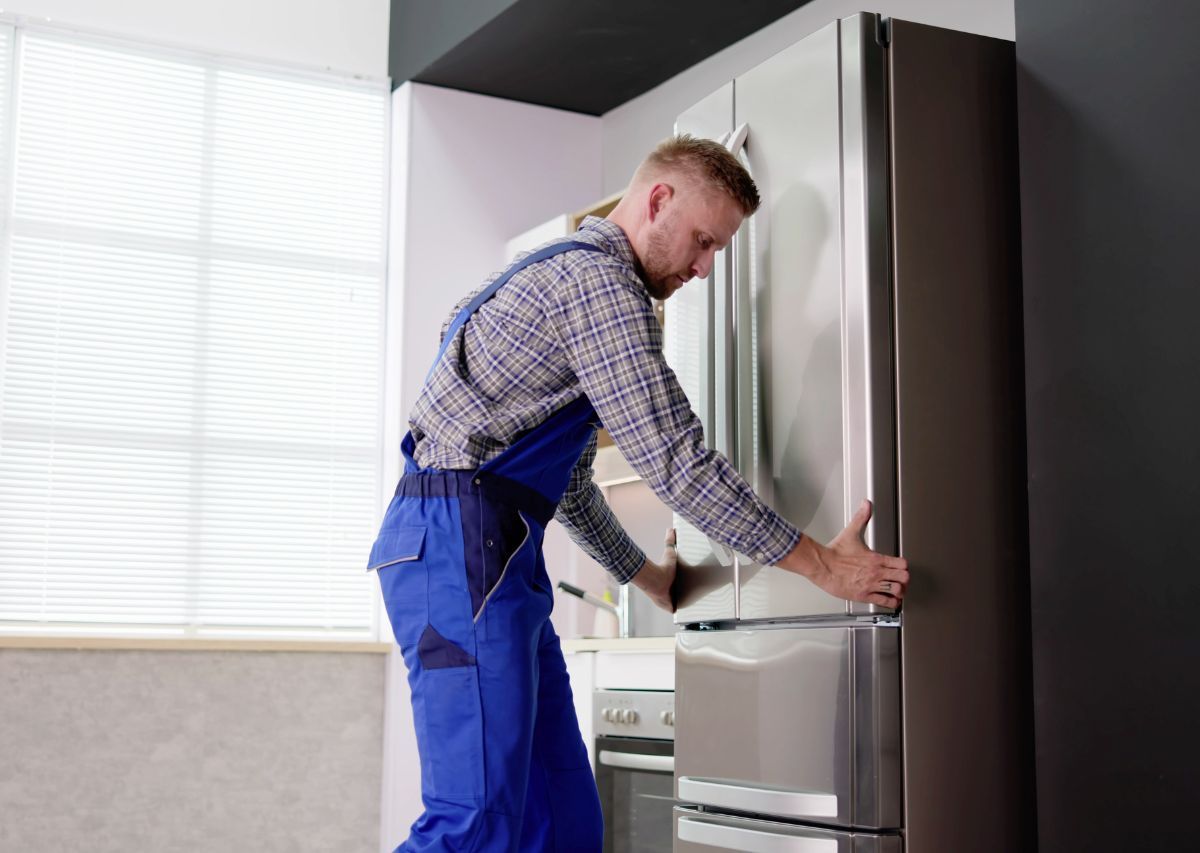
A refrigerator is one of the heaviest and most valuable appliances in any household. It is also one of the most challenging items to move because of its size, weight, electrical components, and interior structure. Whether you are relocating to a new home, rearranging your kitchen, or replacing an old unit, knowing how to move a refrigerator correctly can prevent damage, injuries, and costly repairs.
Moving a refrigerator is not just about lifting and placing it somewhere else. Refrigerators contain delicate coils, coolant lines, compressors, and electrical controls that must remain upright and stable during transport. The wrong angle, sudden movement, or pulling technique can cause leaks, internal damage, or full appliance failure. Because of this, many homeowners prefer to hire professional movers like DTM Vanlines to handle the heavy lifting and ensure a safe move.
In this complete guide, you will learn how to prepare, disconnect, transport, and reinstall your refrigerator without risking damage or safety concerns. The steps below apply to all refrigerator types, including top freezer units, side-by-side models, bottom freezer fridges, French door refrigerators, and larger commercial units.
Why Moving a Refrigerator Requires Special Care
Refrigerators are not like other household items. Their internal cooling systems make them sensitive to movement, tilting, and impact. Here are the reasons why moving a refrigerator requires extra preparation and proper technique:
- Refrigerators can weigh between 200 and 400 pounds
- Coolant lines can leak if handled incorrectly
- Compressors can fail if tilted or shaken
- Electrical components can break from vibration
- Glass shelving can crack if not removed
- Doors can swing open and cause injuries
- Floors can be scratched or damaged during the move
Trying to move a refrigerator without planning can lead to expensive repairs or the need to replace the appliance entirely.
Tools and Equipment Needed to Move a Refrigerator
Before you begin, make sure you have the proper tools. Professional movers always prepare these items before moving any large appliance:
- Appliance dolly
- Moving straps
- Furniture sliders
- Moving blankets
- Tape or rope
- Coolers or ice packs
- Cleaning supplies
Having these items ensures a smoother moving process and protects the refrigerator from damage.
Step 1: Empty the Refrigerator Completely
Before moving a refrigerator, everything inside must be removed. Food left inside can spill, spoil, or create mess during transport.
- Remove all food and place perishables in coolers with ice
- Take out shelves, drawers, trays, and loose parts
- Wrap fragile glass shelves in bubble wrap
- Store removable components in a labeled box
An empty refrigerator is lighter, easier to handle, and safer to move.
Step 2: Disconnect the Water Line and Power Supply
Unplug the refrigerator from the wall outlet. Turn off the water supply valve, disconnect the water line carefully, and place a towel underneath to catch excess water. If the unit has an ice maker, allow it to melt and drain before moving.
Step 3: Defrost the Refrigerator
Unplug the refrigerator for at least six to eight hours. Leave the doors open and place towels around the base to absorb melting ice. Wipe the interior dry once defrosting is complete.
Step 4: Clean the Appliance Thoroughly
Use warm water and mild soap to wipe down interior surfaces, remove stains, clean the back coils, and dry the unit completely before wrapping. This is especially helpful if the refrigerator will be stored.
Step 5: Secure Doors and Wrap the Refrigerator
Close the doors and secure them with rope or straps. Wrap the refrigerator with moving blankets and add plastic wrap to keep the padding in place. This prevents door movement and exterior damage.
Step 6: Move the Refrigerator Away from the Wall
Use furniture sliders to protect flooring. Gently rock the unit back and forth and pull it forward slowly until there is enough space to position the appliance dolly.
Step 7: Load the Refrigerator onto the Appliance Dolly
Slide the dolly under one side, tilt the refrigerator slightly, and secure it using moving straps. Keep the refrigerator upright at all times. Never lay it flat, as this can damage the compressor and cooling system.
Step 8: Move the Refrigerator Slowly and Carefully
Move slowly, communicate with helpers, avoid sharp turns, and navigate corners carefully. Use additional assistance if stairs are involved.
Step 9: Transport the Refrigerator
Inside the truck, place the refrigerator against a wall and secure it with straps. Keep it upright and avoid stacking heavy items on top.
For larger refrigerators used in offices, gyms, or restaurants, professional commercial moving services are often the safest option due to the size, weight, and specialized handling required.
Step 10: Allow the Refrigerator to Settle Before Plugging It In
Let the refrigerator sit upright for two to four hours before plugging it in. This allows compressor oils to settle properly and prevents mechanical damage. Once ready, reconnect the water line, plug it in, and allow it to cool before restocking food.
Common Mistakes to Avoid When Moving a Refrigerator
- Tilting the unit excessively
- Laying it flat
- Leaving food or shelves inside
- Skipping defrosting
- Forgetting to disconnect the water line
- Not securing doors properly
- Using incorrect equipment
Why Hire Professionals to Move a Refrigerator
Professional movers provide the right equipment, proper lifting techniques, faster service, and reduced risk of damage to floors and appliances. Their experience protects your investment.
How DTM Vanlines Helps with Refrigerator Moving
DTM Vanlines specializes in moving heavy and delicate items, including refrigerators and other large appliances. Their team uses professional equipment, protective materials, and correct transport methods to ensure your appliance arrives safely.
If you need help with refrigerator relocation or heavy appliance and equipment moving, DTM Vanlines can assist. Call 972-573-7079 or email dtmvanlines@gmail.com to schedule your move.